
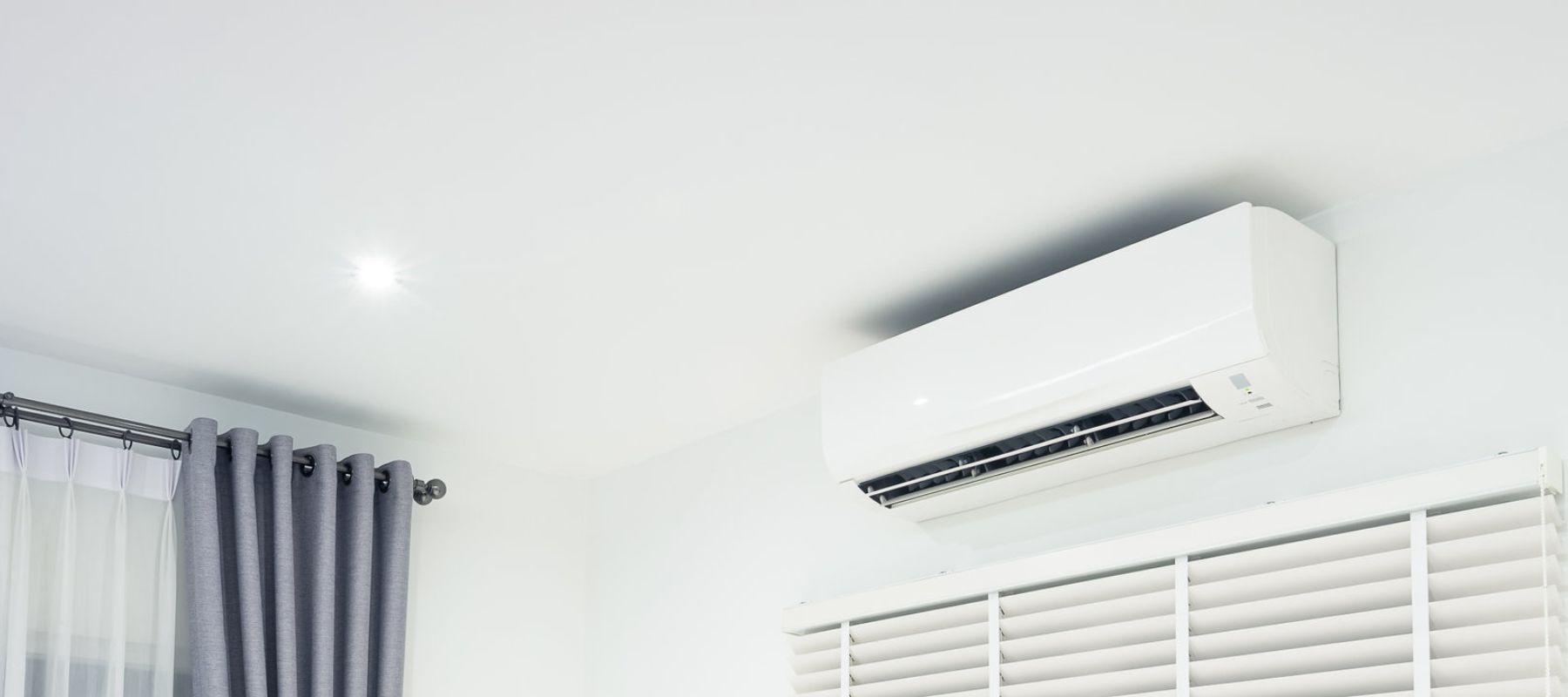
Not every home is built with ductwork in mind, and even those that are sometimes have rooms that never seem to get properly heated or cooled: a converted garage, a new addition, or a stubborn upstairs bedroom that’s always a few degrees off from the rest of the house. Ductless mini splits solve this problem directly, delivering efficient, zone-specific heating and cooling without the need to install or extend traditional ductwork.
What Are Ductless Mini Splits?
A ductless mini split system consists of an outdoor compressor unit connected to one or more indoor air-handling units, linked by a small conduit carrying refrigerant lines rather than bulky ductwork. This design allows for ductless heating and cooling that can be installed in spaces where traditional HVAC ductwork isn’t practical or even possible, while still delivering the comfort of central-style climate control.
Single Zone vs Multi-Zone Mini Split Systems
Understanding single zone vs multi-zone mini split options helps you choose the right configuration for your needs.
- A single zone system connects one outdoor unit to a single indoor air handler, ideal for cooling or heating one specific room or area, like a garage conversion or a single problem room.
- A multi-zone system connects one outdoor unit to multiple indoor air handlers, each controlled independently, allowing different rooms to be set to different temperatures simultaneously a popular choice for homeowners wanting more comprehensive whole-home climate control without traditional ductwork.
Ductless Mini Split vs Central Air
The ductless mini split vs central air comparison highlights some meaningful differences worth considering:
- Installation for mini splits is generally less invasive, since it doesn’t require the extensive ductwork installation central air systems need, making it a strong option for older homes or additions where duct installation would be impractical.
- Zone control is a significant advantage for mini splits, since each indoor unit can be controlled independently, allowing for personalized comfort in different areas rather than a single thermostat setting for the whole home.
- Efficiency tends to favor mini splits in many situations, since ducted systems can lose a meaningful percentage of conditioned air through duct leaks, while ductless systems deliver air directly to the room without that loss.
- Whole-home coverage can require multiple indoor units for larger central air alternatives, which may involve a higher upfront investment than a single central system, depending on the specific home and zone requirements.
Mini Split Heat Pump Installation
Many ductless systems function as mini split heat pump installation setups, providing both heating and cooling from the same equipment. These heat pump systems work by transferring heat rather than generating it directly, pulling heat from outside air to warm your home in winter, and reversing the process to cool your home in summer. This dual functionality makes ductless heat pumps a popular choice for moderate climates where extreme temperature swings are less common.
Ductless AC for Room Additions
Ductless AC for room additions is one of the most common applications for mini split systems, since extending existing ductwork to a new addition is often impractical or prohibitively expensive. A dedicated mini split unit can efficiently condition the new space without requiring modifications to your home’s existing HVAC system.
Ductless System for Garage or Basement
Similarly, a ductless system for garage or basement space offers an efficient way to make these often-overlooked areas genuinely comfortable year-round. Garages converted into workshops, home gyms, or additional living space, along with basements used as finished living areas, frequently lack adequate connection to a home’s central HVAC ductwork, making ductless systems a practical, targeted solution.
Wall-Mounted vs Ceiling Mini Split Units
Indoor units come in different styles to suit various room layouts. The wall-mounted vs ceiling mini split decision typically comes down to available space and aesthetic preference:
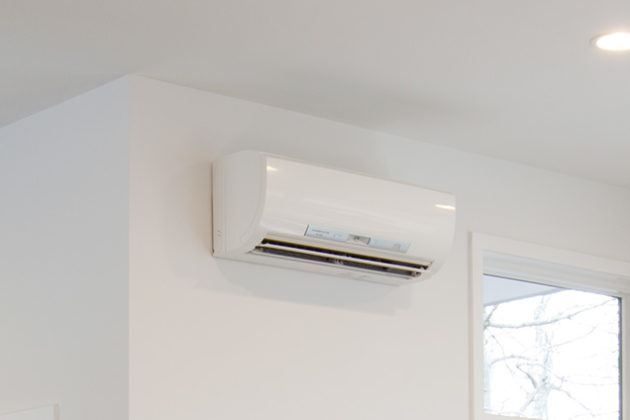
- Wall-mounted units are the most common style, installed high on a wall for efficient air distribution and relatively straightforward installation.
- Ceiling-mounted or recessed units offer a more discreet, integrated look, often preferred in spaces where wall space is limited or a more streamlined appearance is desired, though they typically involve more complex installation.
Understanding SEER Ratings
The ductless mini split SEER rating measures a system’s cooling efficiency; the higher the SEER rating, the more efficiently the unit cools relative to the energy it consumes. Higher-SEER systems typically cost more upfront but can result in meaningfully lower energy bills over the system’s lifespan, making it worth weighing the higher initial investment against long-term operating cost savings based on how much the system will actually be used.
Energy-Efficient Ductless Systems
Energy-efficient ductless systems offer a genuine advantage over many traditional HVAC setups, partly due to eliminating duct losses and partly due to the ability to condition only the rooms actually in use rather than an entire home simultaneously. This zone-specific approach can lead to meaningful energy savings, particularly in homes where certain rooms are used far less frequently than others.
Multi-Room Ductless AC Installation
For homes needing coverage across several rooms, multi-room ductless AC installation typically uses a multi-zone outdoor unit connected to several indoor air handlers throughout the home. This approach allows for comprehensive climate control comparable to central air, while retaining the independent zone control and efficiency advantages unique to ductless systems.
Comparing Ductless Mini Split Brands
When researching ductless mini split brands comparison options, it’s worth looking at factors like warranty coverage, availability of local certified installers and service technicians, and efficiency ratings for the specific models you’re considering. Since technology and lineups change over time, checking current manufacturer specifications and consulting with a local installer familiar with several brands can help you find the best fit for your specific climate and home.
The Mini Split Installation Process
Understanding the general mini split installation timeline and process helps set expectations for your project:
- Assessment and zone planning: Evaluating your home’s layout and determining the number of zones and unit placement needed.
- Outdoor unit placement: Installing the outdoor compressor in a location with proper clearance and airflow.
- Indoor unit installation: Mounting indoor air handlers in each designated zone.
- Refrigerant line and electrical connection: Running the conduit connecting indoor and outdoor units, along with necessary electrical work.
- System testing: Confirming proper operation, refrigerant charge, and temperature control across all zones before considering the installation complete.
Most single-zone installations can be completed within a day, while multi-zone systems covering several rooms may take longer depending on the number of indoor units and complexity of the installation.
Understanding Mini Split System Installation Cost
Mini split system installation cost and mini split installation cost per unit depend on several factors:
- Single-zone versus multi-zone system configuration
- Number of indoor units required
- SEER rating and overall system efficiency level selected
- Installation complexity, including line set length and electrical requirements
- Local labor rates
A trustworthy installer will provide a detailed, itemized estimate that separates equipment and labor costs clearly, helping you understand exactly where your investment is going.
Mini Split System Maintenance
Like any HVAC equipment, mini split system maintenance helps ensure continued efficient operation and a longer equipment lifespan. This typically includes regularly cleaning or replacing indoor unit filters, keeping the outdoor unit clear of debris and vegetation, and scheduling periodic professional inspections to catch any developing issues before they become larger problems.
Mini Split Repair and Troubleshooting
Common issues addressed through mini split repair and troubleshooting include reduced cooling or heating performance, unusual noises, water leaking from an indoor unit, or a system that won’t power on. Many of these issues stem from simple causes like a dirty filter or blocked outdoor unit, though refrigerant leaks or electrical issues require professional diagnosis and repair.
Mini Split Financing Options
Given the investment a multi-zone system can represent, many installers offer mini split financing options, allowing homeowners to spread the cost over time rather than paying the full amount upfront. It’s worth discussing available financing during your initial consultation, particularly for larger whole-home installations.
Finding the Right Mini Split Installer
When searching for mini split AC near me, look for:
- Certified installation experience with the specific brands you’re considering
- A thorough assessment process that accounts for your home’s specific zone needs
- Transparent, itemized estimates
- Positive reviews mentioning reliable installation and responsive follow-up service
- Availability for ongoing maintenance and repair after installation
Final Thoughts
Whether you’re conditioning a single problem room, a garage conversion, or looking for a comprehensive whole-home alternative to traditional ductwork, ductless mini-splits offer an efficient, flexible solution that adapts to spaces central air systems often can’t easily reach. With the right zone configuration and a qualified installer, a ductless system can deliver reliable, energy-efficient comfort tailored specifically to how you use your home. If you’re considering a ductless mini split for your home, reach out to a trusted local HVAC installer today for an assessment and a personalized quote.
Frequently Asked Questions
Are ductless mini splits more efficient than central air? Mini splits often offer efficiency advantages by eliminating duct losses and allowing zone-specific conditioning, meaning you’re not cooling or heating unused rooms. Actual efficiency depends on the specific systems being compared and how the home is used.
How many indoor units do I need for my home? This depends on your home’s layout and how many distinct zones you want to control independently. A professional assessment can help determine the right configuration for comprehensive coverage.
Can a mini split system both heat and cool? Yes, most ductless mini splits function as heat pumps, providing both heating and cooling from the same equipment by reversing the refrigeration cycle depending on the season.
How long does mini split installation take? A single-zone installation can often be completed within a day, while multi-zone systems covering several rooms may take longer depending on the number of indoor units involved.
Do ductless mini splits require special maintenance? Regular filter cleaning and keeping the outdoor unit clear of debris are the main ongoing maintenance tasks, along with periodic professional inspections to catch developing issues early.