Imagine a single system that keeps your home comfortable through both summer heat and winter cold, without needing separate furnace and air conditioning equipment. That’s the appeal of heat pumps, a technology that’s become increasingly popular as homeowners look for more efficient, versatile ways to manage year-round home comfort. Whether you’re building new, replacing aging HVAC equipment, or simply exploring more efficient options, understanding how heat pumps work helps you decide if this technology is the right fit for your home.
How Heat Pumps Work
Unlike a traditional furnace, which generates heat directly by burning fuel or using electric resistance, a heat pump works by transferring heat from one place to another. In winter, it extracts heat from outdoor air (even when it’s cold outside, there’s still usable heat energy present) and moves it indoors. In summer, the process reverses, pulling heat from inside your home and releasing it outdoors, essentially functioning as an air conditioner. This transfer-based approach is what makes residential heat pump systems notably more efficient than heating methods that generate heat from scratch.
Heat Pump vs Furnace
Understanding heat pump vs furnace differences helps clarify which might be the better fit for your home:
- Efficiency generally favors heat pumps, since transferring existing heat requires less energy than generating new heat, particularly in moderate climates.
- Fuel source differs as well; furnaces typically run on natural gas, propane, or oil, while heat pumps run on electricity, which can be an advantage for homeowners looking to reduce reliance on fossil fuels.
- Cold climate performance has historically been a consideration, since older heat pump technology lost efficiency in very cold temperatures, though modern cold climate heat pump systems have significantly narrowed this gap.
- Dual functionality is a clear heat pump advantage, since a single system handles both heating and cooling, whereas a furnace only addresses heating and requires separate air conditioning equipment.
Heat Pump vs Central Air Conditioner
The heat pump vs central air conditioner comparison is somewhat different, since a heat pump essentially includes air conditioning functionality built in. The key distinction is that a standard central air conditioner only cools, requiring a separate heating system (typically a furnace) to be paired with it. A heat pump combines both functions into one system, which can simplify equipment needs and, particularly in moderate climates, often prove more energy-efficient than operating separate heating and cooling systems.
Types of Heat Pump Systems
Air Source Heat Pump Installation
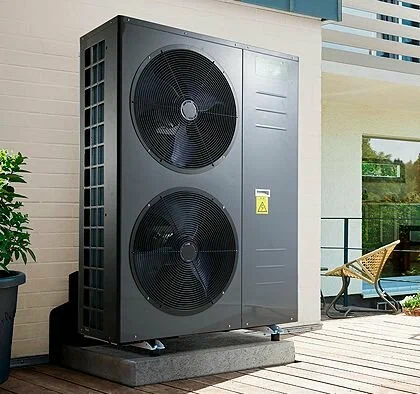
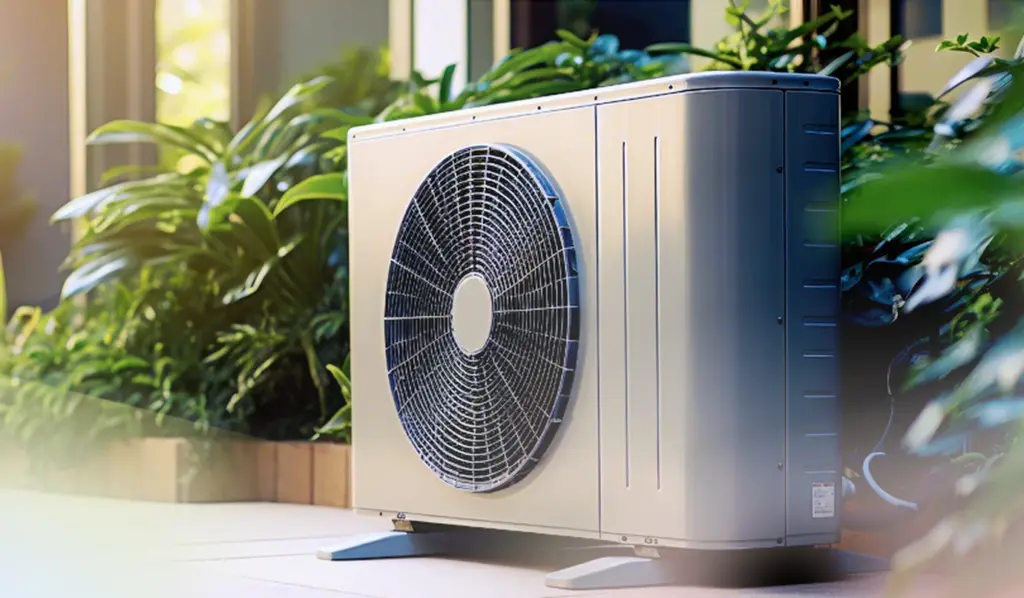
Air source heat pump installation represents the most common type of residential heat pump system, extracting heat from outdoor air to warm your home and reversing the process for cooling. These systems are generally less expensive to install than geothermal alternatives and work well across a wide range of climates, especially with modern cold-climate-rated equipment.
Ground Source (Geothermal) Heat Pump
A ground source (geothermal) heat pump taps into the relatively stable underground temperature just below the earth’s surface, which stays more consistent year-round than outdoor air temperature. This stability allows geothermal systems to operate with exceptional efficiency, though the installation involves burying ground loops, making the upfront cost and installation complexity significantly higher than air source systems. Geothermal tends to make the most financial sense for homeowners planning to stay in their home long-term, allowing the higher upfront investment to pay off through lower operating costs over many years.
Ductless Heat Pump Options
For homes without existing ductwork, or for targeting specific rooms or additions, ductless heat pump options, also known as mini-splits, offer a flexible way to add heat pump technology without the need for extensive ductwork installation. These systems connect an outdoor unit to one or more indoor air handlers, allowing for zone-specific heating and cooling control.
Cold Climate Heat Pump Systems
Historically, heat pumps lost significant efficiency in very cold temperatures, leading many colder-climate homeowners to avoid the technology or pair it with backup heating. Modern cold climate heat pump systems have addressed much of this limitation, using advanced compressor technology to maintain meaningful heating capacity even in below-freezing temperatures. This has made heat pumps an increasingly viable primary heating source in regions where they were previously considered impractical, though it’s still worth discussing your specific climate with an installer to confirm the right equipment for your area.
Hybrid Heat Pump Systems
For homeowners wanting the efficiency benefits of a heat pump with backup reliability during extreme cold, hybrid heat pump systems pair a heat pump with a traditional furnace. The system automatically uses the heat pump for most heating needs, since it’s generally more efficient, and switches to the furnace during periods of extreme cold when the heat pump’s efficiency advantage narrows. This approach offers a practical middle ground for colder climates without fully committing to heat pump-only heating.
Understanding Heat Pump Efficiency Ratings
Heat pump efficiency ratings (SEER/HSPF) help homeowners compare performance across different systems. SEER (Seasonal Energy Efficiency Ratio) measures cooling efficiency, while HSPF (Heating Seasonal Performance Factor) measures heating efficiency specific to heat pump technology. Higher ratings in both categories indicate better efficiency, though higher-rated equipment typically comes with a higher upfront cost, worth weighing against expected long-term energy savings based on your climate and how heavily the system will be used.
Sizing Your Heat Pump System
Using a proper heat pump sizing calculator approach, rather than guessing at system size, matters significantly for both comfort and efficiency. An undersized system will struggle to maintain temperature during extreme weather, while an oversized system can cycle on and off too frequently, reducing efficiency and potentially shortening equipment lifespan. A qualified installer performs a detailed load calculation based on your home’s size, insulation, window efficiency, and local climate to recommend the correctly sized system for your specific home.
Signs You Need Heat Pump Replacement
Recognizing heat pump replacement signs helps homeowners plan proactively rather than facing an unexpected breakdown:
- The system is approaching or exceeding its typical 15-year lifespan
- Repair costs are becoming frequent and adding up significantly
- Energy bills have risen noticeably, suggesting declining efficiency
- The system struggles to maintain consistent temperatures throughout the home
Heat Pump Not Heating Troubleshooting
Common heat pump not heating troubleshooting starting points include checking that the thermostat is set correctly, confirming the outdoor unit isn’t blocked by debris or ice buildup, and checking that air filters aren’t severely clogged. If these basic checks don’t resolve the issue, it likely points to a more significant problem, such as a refrigerant issue or component failure requiring professional diagnosis and repair.
Understanding Heat Pump Installation Cost
Heat pump installation cost and heat pump replacement cost depend on several factors:
- System type (air source, ductless, or geothermal)
- Home size and the resulting system capacity needed
- Efficiency rating selected
- Whether existing ductwork can be used or new installation is required
- Local labor rates and installation complexity
A trustworthy installer will provide a detailed, itemized estimate that separates equipment and labor costs, helping you understand exactly where your investment is going.
Heat Pump Tax Credits and Rebates
Many regions offer heat pump tax credits and rebates to encourage adoption of this more energy-efficient technology, including federal tax credits, utility company incentives, and state-level programs. Since these programs and their specific terms change over time, it’s worth checking current offerings directly with your utility provider and relevant tax authorities before finalizing your purchase decision, as available incentives can meaningfully offset installation costs.
Heat Pump Maintenance Tips
Regular care helps maximize both efficiency and equipment lifespan. A few practical heat pump maintenance tips:
- Replace or clean air filters regularly to maintain proper airflow
- Keep the outdoor unit clear of debris, leaves, and snow buildup
- Schedule annual professional maintenance to catch developing issues early
- Ensure adequate clearance around the outdoor unit for proper airflow
Commercial Heat Pump Systems
Commercial heat pump systems apply similar technology at a larger scale for office buildings, retail spaces, and other commercial properties. These systems often involve more complex zoning requirements and higher capacity needs than residential applications, along with considerations around maintenance scheduling that minimizes disruption to business operations.
Finding the Right Heat Pump Installer
When searching for heat pump installation near me or heat pump repair service, look for:
- Manufacturer certifications for the specific equipment brands being installed
- Experience with proper load calculation and system sizing
- Familiarity with cold climate heat pump technology if relevant to your region
- Transparent, itemized estimates
- Positive reviews mentioning reliable installation and responsive service
Final Thoughts
Heat pumps offer a genuinely efficient, versatile approach to year-round home comfort, combining heating and cooling into a single system while often reducing energy costs compared to traditional separate equipment. Whether you’re considering an air source system, exploring geothermal for long-term efficiency, or looking at a ductless option for a specific space, understanding your options helps you choose the right heat pump solution for your home and climate. If you’re considering a heat pump for your home, reach out to a trusted local HVAC installer today for a load calculation and a personalized quote.
Frequently Asked Questions
Do heat pumps work well in cold climates? Modern cold climate heat pump systems have significantly improved performance in below-freezing temperatures, making them viable in many regions where older heat pump technology struggled. It’s worth discussing your specific climate with an installer to confirm the right equipment.
Is a heat pump more efficient than a furnace? Generally, yes, since heat pumps transfer existing heat rather than generating it from scratch, which typically requires less energy, particularly in moderate climates.
How long do heat pumps typically last? Most heat pumps have a typical lifespan of around 15 years, though this can vary based on usage, maintenance, and climate conditions.
Are there rebates available for installing a heat pump? Many utility companies, states, and federal programs offer rebates or tax credits for heat pump installation, though specific programs and amounts vary by location and change over time, so it’s worth checking current offerings before purchasing.
What’s the difference between a heat pump and a ductless mini split? A ductless mini split is actually a type of heat pump system designed for spaces without traditional ductwork, using individual indoor air handlers connected to an outdoor unit rather than distributing air through ducts.